
Addiction is not just a struggle of the body or the mind—it is a disorder that affects the whole person. To achieve lasting recovery, treatment must address both the physical and psychological dimensions of addiction. This holistic approach is at the core of modern medical strategies, where science, empathy, and innovation come together to offer a comprehensive portal to healing.
Understanding Addiction as a Whole-Person Disease
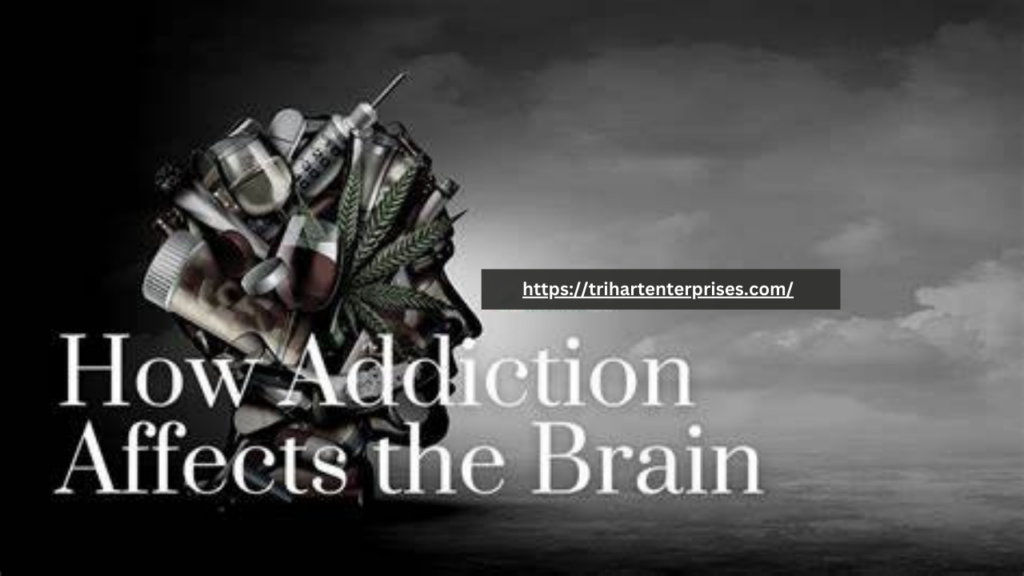
Historically, addiction was misunderstood as a failure of character or a lack of self-control. Today, science has dismantled that stigma. Addiction is recognized as a chronic brain disease that alters neural pathways, impairs decision-making, and disrupts emotional regulation. Substances like opioids, alcohol, and stimulants hijack the brain’s reward system, triggering an artificial flood of dopamine—the “feel good” neurotransmitter—and creating a cycle of craving and dependency.
But addiction doesn’t stop at the brain. It takes a toll on the body, weakening the immune system, damaging organs, and impairing overall health. At the same time, it impacts emotional well-being, often coexisting with mental health disorders like depression, anxiety, or trauma. Effective recovery, therefore, must involve treating the whole person—not just the symptoms.
The Medical Portal: Entry Into Evidence-Based Recovery
The first step in the medical approach to recovery is a thorough evaluation by healthcare professionals. This includes physical exams, lab tests, psychiatric assessments, and often, a review of the patient’s personal and family medical history. Understanding the full picture allows doctors to craft a personalized treatment plan tailored to the individual’s needs.
Detoxification is often the initial stage. Managed by medical professionals, detox helps individuals safely withdraw from substances while managing physical symptoms and preventing complications. But detox alone is not treatment—it is the gateway to deeper healing.
Following detox, many patients benefit from Medication-Assisted Treatment (MAT). MAT uses FDA-approved medications like buprenorphine, methadone, and naltrexone to ease cravings and restore brain balance. When combined with counseling and behavioral therapies, MAT significantly increases the likelihood of sustained recovery.
Healing the Mind: Integrated Mental Health Care
Mental health is a critical component of addiction recovery. Many people who struggle with substance use disorders also face mental health challenges. Treating one without addressing the other often leads to relapse. Integrated care models—where therapists, psychiatrists, and addiction specialists work together—have become the gold standard.
Therapies such as Cognitive Behavioral Therapy (CBT), Eye Movement Desensitization and Reprocessing (EMDR), and trauma-informed care help individuals identify root causes, reframe destructive thought patterns, and build resilience.
Strengthening the Body: Lifestyle and Support
Recovery is also a physical process. Nutritional counseling, exercise, mindfulness practices, and sleep hygiene play key roles in restoring health. These lifestyle changes enhance emotional stability, reduce stress, and rebuild physical strength—creating a foundation for long-term wellness.
Support networks, including group therapy, family involvement, and peer-led recovery communities, further strengthen recovery by reducing isolation and reinforcing accountability.
A Future Rooted in Healing
Addiction recovery is not a destination—it’s a lifelong journey. But with a medically guided, whole-person approach, healing becomes a realistic and empowering goal. By addressing both the mind and body, today’s medical portal offers a compassionate, science-backed path to renewed health, hope, and freedom.